Friday, February 21, 2014

Workout Noms


Written by Sam (by the way, THAT is what you can look like!)

"You get out what you put in". We have all heard that phrase at some point in our lives, and it makes a lot of sense, especially in the realm of nutrition and wellness; if you want to be healthy, you have to eat well. Now that winter is coming to a close and we are starting to see some warmer weather (finally!), it is time for a lot of us, including myself, to get up off our butts and go exercise to prepare for wearing short sleeves, tank tops, etc. I was inspired to write this post by my desire to get back into working out and being healthier this semester. To get back on track with my health, not only is it key to go exercise, but it is just as, if not more, important to know how to properly fuel your body to get the most effective workout. Throughout this post I will touch on healthy and beneficial pre/post workout foods, plus some foods to avoid as well!

Pre-Workout

The most important characteristic of pre-workout food is it has to give you the energy to perform at the best of your ability. So, what does that look like? Here are some foods that you should go for in order to do that.

Vitamin B Rich Foods - Vitamin B converts proteins and carbohydrates into energy and it also essential for cell repair and reproduction. In many research studies, a diet rich in Vitamin B been found to aid in high-intensity exercise performance and quicker muscle recovery. Foods that are a good source of Vitamin B are dark green vegetables, whole grains, nuts, fish, and shellfish.

Banana - Bananas are a good source of natural carbohydrates and sugars, but the most important factor is that it is high in potassium. Potassium is responsible for regulating fluids and mineral balance in your body, and it helps transmit nerve impulses and start action potentials, which give your muscles the energy to contract. I typically eat a banana about an hour before I start my workout, and I found that it has given me a pretty big boost in the gym.

Whole Grains - As mentioned earlier, whole grains are a good source of vitamin B. Your body needs carbohydrates in order to use it for energy, so you want to make sure you are getting the highest quality carbohydrates possible. Whole grains will "stick with you" the longest, meaning that you won't get hungry as fast and your energy will last longer compared to eating refined grains. Good sources of whole grains are whole grain bread, brown rice, popcorn, oatmeal, and quinoa.
Caffeine - When we are groggy and lacking energy in the morning, we always turn to a cup of coffee or tea to fix our issues. In the same way, caffeine will give us that boost right before our workout to stay awake and be energized. On top of that, it has been found to reduce the muscle's consumption of glycogen, which is the stored form of energy our body uses in exercise.

Protein - Most people would say that it is most important to eat your protein after the workout for recovery, but it has been found that protein beforehand is just as important. Studies have shown that protein intake before a workout will not only help burn more calories, but it will help fuel your muscles during training and it will start protein synthesis during training as opposed to after (quicker muscle recovery = more opportunity for those gains). You want to keep the protein as light as possible, since saturated fats interfere with the digestion and synthesis of protein. Examples of light protein include chicken breast, beans, tofu, and lighter fishes such as tilapia and cod.


Post Workout

For post workout, it is key to get protein in your body so that your muscles can recover. If you don't fuel yourself with protein, your muscles will not grow and they will actually shrink. Even if you have your pre-workout protein as suggested above, it still takes around 3 hours to fully digest and reach your muscles. If you have protein after the workout as well, you get to "double dip" and get even quicker muscle growth and recovery. Personally, I like to workout before dinner so that I can get a full balanced meal as my post workout fuel, but any size snack with at least 15 g of protein will suffice if you aren't able to fit that schedule. Here are the foods I recommend you eat after your workout.
Lean Protein - As mentioned above, It is crucial that the protein is lean because saturated (animal) fat inhibits quick muscle recovery as your body has to work harder to digest it. Eating protein with minimal fat will allow your body to absorb it quickly, and it will work on muscle repair a lot faster. I usually go for chicken breast as my protein of choice since 1/2 of a breast has 30 grams of protein. The exception to this rule is to eat fish, as they are often higher in fat, but in healthier fats (look at my previous post about fats right here! http://nutritionnatural.blogspot.com/2013/12/get-your-daily-dose-of-fatwait-what.html), which are considered a high quality protein because of the health benefits.

Complete Protein Combinations -  These are foods that when combined, provide all the essential amino acids your body needs to be at it's healthiest point. Common combinations are rice and beans, oatmeal and milk, and pita with hummus. As you can see, these mixtures have a grain component (rice, oatmeal, pita) and a protein component (beans, milk, hummus), which make for a complete meal/snack.

Refined Grains - Wait, aren't refined grains supposed to be avoided at all costs? Yes, but post workout is the exception. Refined grains have a higher glycemic index and will replenish your muscles with glucose quickly, aiding in fast and effective muscle growth and recovery. Good examples of refined grains are white rice, pasta, and regular bread.

Low Fat Dairy - Dairy is considered a high quality protein since it contains all 9 essential amino acids. It is composed of 20% whey protein and 80% casein protein. Whey protein is fast acting and absorbs into your bloodstream very quickly, which is why whey protein is often found in protein shakes and supplements. Casein protein is absorbed slowly and doesn't directly promote muscle formation, but it can help prevent muscle breakdown, which is just as important. So with that being said, drinking a glass of milk after a workout is fine, but my dairy food of choice is greek yogurt. Greek yogurt contains twice as much protein compared to regular yogurt (18 grams for 1 cup) and it also is a good source of carbohydrates. A great post workout snack I really enjoy is greek yogurt mixed with fresh berries. Adding the fresh berries provide micronutrients, which are essential to proper body function and also aid in relieving muscle soreness.

Stay Away!

1)Man made pre/post workout supplements - The general rule of thumb is to always eat natural whenever you can (hence the name and vision of this blog). Certain protein supplements such as whey protein aren't horrible for you, since whey protein comes from milk. But at the same time, think about all the preservatives and chemicals that go into making protein powders. The danger with these supplements is that it often supplies way more protein than we need, and this can lead to further health issues such as kidney stones and kidney disease. Also, protein drinks have very low satiety, since all you are doing is drinking liquid. Eating nutritious food offers the best satiety around, and it has been found that just chewing food brings satiety in it of itself.

2) Greasy food - Greasy food will leave you feeling really disgusting, heavy, and sleepy - things you definitely don't want to feel right before heading to a gym. I mentioned the effects of fat on protein and energy synthesis earlier in this post, so just stay away from it.

Sources:
http://sportsmedicine.about.com/od/sportsnutrition/a/B_Vitamins.htm
http://www.fitday.com/fitness-articles/fitness/weight-loss/consuming-caffeine-before-working-out.html
https://blogger.googleusercontent.com/img/b/R29vZ2xl/AVvXsEhbs66IOCTq_rFAfrer1Sb1qwQq3G10KRHzq0kXOc8S7KVXOjlv5KDzDpgPH99241O_H-xzghuTUWssp58IQawWC4O2BBMUJjCZy9Zgxze8rd4A90P283zAnPgg0p41Qx8fNwUXeG3onROC/s1600/1267215305_top-10-post-workout-foods_flash.jpg
http://www.bodybuilding.com/fun/ask-the-macro-manager-pre-post-workout-shakes.html
http://www.livestrong.com/article/198253-negative-effects-of-protein-shakes/
http://ndb.nal.usda.gov/ndb/foods/show/850?fg=&man=&lfacet=&format=&count=&max=25&offset=&sort=&qlookup=chicken+breast

Wednesday, January 8, 2014

Food Shelves - Revolutionizing the food pyramid for the modern-day person

Hello Everyone,

Patrick Vaughan again. I have been working behind the scenes recently to help develop a brand new food pyramid scheme. The portrayal of the information, and the concept is mine. However all information is taken from my boss Justin Grinnell, and it was produced by Outer graphics. The idea was to create something that was simple, user-friendly, and is also something that one could put on their fridge at home. Please SHARE this with your friends!! If you like the information, please like and follow Justin Grinnell and the State of Fitness homepage based out of East Lansing Michigan!!!


Wednesday, January 1, 2014

Example Resolution

Hello all,

       My name is Patrick Vaughan and I am one of the authors here at Natural Nutrition. My New Years Resolution begins today. I've had a goal for the past few years to be able to run a 1/2 iron man for this coming summer of 2014 [which is a very large goal for myself, since I was always conditioned as a sprinter through the sports of soccer, hockey, and track]. For proof you can see some of my old times in this link under the 100m, 200m, and 400m races [http://www.athletic.net/TrackAndField/SchoolRecords.aspx?SchoolID=9689]. They aren't anything special, but they show that these were my races back in the day. Meaning that a long endurance race, is a large change for me, and therefore it will be a challenge.

        However this has been a long goal in progress. Since I have arrived at MSU, I have been training to achieve this. In this time, I have ran a sprint triathlon, and two intermediate/olympic level ones with decent overall placings/times, considering I used a mountain bike for two of the three.

        As a subset of achieving this goal, I believe that I will need to get significantly stronger in order to endure all portions of this event. For that reason, in order to achieve my ultimate goal, I am challenging myself to put on ten pounds of pure muscle within the next 5 months.

What I am going to do to achieve this:

  1. I am going to start lifting weights continuously on top of my swim/bike/run conditioning.
  2. I am going to continue my current lifestyle of intermittent fasting; where I go 16-20 hours without eating, and 5-6 hours of eating [2 meal periods]. I am allowed to hydrate 24/7.
  3. I will no longer consume junk food, with the exception of one small desert on Sunday nights.
  4. I will painfully cease to watch television.
You can view a copy of my basic workout schedule here.....


Foreseeable obstacles:

  1. I will be working two jobs; One in an Orthopedics Biomechanics Laboratory at MSU, and one as a Personal Training Intern at the State of Fitness. [Time constraint].
  2. I will be taking 15 credits as a Mechanical Engineering major at Michigan State University [Time Constraint].
  3. I will be updating my progress, and encouraging you all on with your own Resolutions in this blog. [Time constraint]
  4. Natural Fatigue and exhaustion from working and working out.
  5. Extra project assignments from my jobs, and from my teachers.
  6. College shenanigans at MSU.
You can view a copy of my basic school schedule of how busy I will be, as well as when I plan to workout during the week here.....

Day One of my goal:

After fasting for 16 hours and working out for 2 hours, my baseline weight is at 163 lbs. This makes my goal to be at 173 lbs five months from now in May.


I'll be honest with my goal, and I hope you will all be with yours as well. I welcome you all to join me on this journey, and we can even have mini competitions along the way if you wish. I'm always open to spicing things up a bit! Just let us known. So let us hear some of your goals, and we shall achieve them together as a community here at Natural Nutrition. 

Sunday, December 29, 2013

Resolutionary Action!


        Resolutions are pointless.... They are pointless when they are made halfheartedly, with little to no thought. Let's see if I've pegged your goals for the New Year?

        This year I'm going to start exercising again. This year I am going to start eating better. This year I am going to be a better person.....

         Well these are pretty pathetic goals if you don't mind me saying it. Think about it this way. What's eating healthier consist of? What does exercising more mean? How are you going to be a nicer person?

         "Oh well I had a salad today, that's healthier than I have been eating, so I guess that means I can eat that chocolate cake later tonight..... Well I did go to the gym two times this year! that's one more time then last year? Goal met!..... Oh well I did pick up a pen for that cute girl yesterday, and I gave a dollar to the homeless man across the street from work last week....."

         See what I mean? You're allowing yourself a cope-out by not defining your goals, so that you never actually have to do things differently in order to achieve the goal.

       A lousy goal, makes for halfhearted attempts at bettering yourself for the new year. So why not make a real goal and begin a REAL attempt to better yourself. A fresh year for new beginnings as they say. So let's reflect on the past year and see where these improvements can be made. What obstacles stand in your way? What life hurdles do you need to overcome? What is imperative for you to change?


To assist you all in developing a REAL goal to be achieved I'm going to give you a little glimpse into my life, as well as my new years resolutionary process.


1.) Sit down and Assess

  • Find a nice quiet spot away from it all, to sit down and reflect over the past year, and even the past few years.

  • Grab a pencil and paper and actually write things down! Anything and everything that you would like to improve (you'll probably see a theme developing).


2.) Prioritize & Schedule
  • Decide what you are willing to do on your own and recognize your limitations. For example, If you want to lose weight, maybe you need to think about hiring a trainer or finding a workout buddy for motivation.

  • Buy a planner and make a schedule. Write down several potential times to which you can commit to your goal such as going to the gym. Once you make your goal a realization, then commit to it!

  • Make back-up plans; If you're deciding to eat healthier, this would mean planning out grocery lists and researching recipes and foods you would be willing to eat/substitute for current options [as well as back-up options for the days you don't feel like cooking].
Commit yourself to the Goal

  • Basically in the great words of the NIKE gods; Just do it!

  • In all reality though, realize that there are going to be setbacks. There are going to be days where you want to give up, as well as days where you will give up. 

  • Remember this does not mean you failed! Even the greatest warriors have to go back to lick their wounds at times. Every single day is a battle. So even if you lost today's battle, make certain [absolutely certain] that you still win the war and that you see your goal through to the end. 


        It's time to make yourself the proud new men and women that you want to be. 

Get Your Daily Dose of Fat

Written by: Sam


 Everyone at some point has heard the theory that if we want to be healthy, we have to have a diet in low as fat as possible. As soon as we see the "no fat" label on the food, we don't think twice about getting it because it'll be "healthy". You will see those people who think they are healthy because they're munching on vegetables, fruits, and dry toast all day in order to keep their fat content as low as possible. They have a skinny figure, but they often look pale, have low energy, and are ultimately too skinny. The reason why they're in this state is because we actually need fat; fats keep our internal bodily processes working at an optimum level, gives our body cushion and protection from injuries, along with providing energy, satiety, and good taste to our food. The tricky part, though, is finding the right balance of fat in your diet. If we have too much of it, we are at risk of major health problems, namely heart disease and diabetes. If we don't get enough of it, our body function will be compromised and we will often feel very weak.

So what are the right fats to eat then? Choosing the right fats to eat depends on what it does to our bodies cholesterol level. The two types of cholesterol are called HDL (high density lipoprotein) and LDL (low density lipoprotein). HDL is known as the "good" cholesterol, and it is considered good for a variety of reasons: 1) it helps remove the bad cholesterol 2) it reuses and recycles the bad cholesterol by transporting it to the liver for reprocessing, which prevents it from being detrimental to your health 3) HDL's act as maintenance of the inner walls of blood vessels, and damage to these walls are what the cause of heart attacks and stroke. Looking at the other side of the spectrum, LDL's are considered bad because it contributes to plaque inside your arteries and is the main cause of heart attacks and stroke. With all this being said, I am going to get into the different types of fat out there and talk about which ones we should eat and which ones we should stay away from.


Avoid:
Trans Fat - This is the worst kind of fat you can possibly eat and it is recommended to avoid it at all costs. The thing that makes trans fat so bad is that it raises LDL and lowers HDL at the same time. Trans fats are produced through a process called hydrogenation, where an additional pair of hydrogen atoms is added to a molecule, turning an unsaturated fat into a solid fat. Trans fats are made to improve flavor, texture, and shelf life of foods, but it'll clog up your arteries real quick. Trans fats are often found in cookies, pizza, shortening, cake mixes, and fried foods.

Saturated Fat - saturated fat comes from animal products, raises LDL, and is solid at room temperature. Saturated fat is commonly found in foods such as butter, bacon, cheese, hydrogenated oils, and red meat. The general guideline is to keep your saturated fat count to <10% of your total calories (There are 9 calories in 1 gram of fat). If you don't feel like doing the math, basically do your best to stay away from it whenever you can. But, a slice of pizza and a few slices of bacon never killed anybody, so feel free to go for that every now and then in small amounts!

Go for these instead:
Monounsaturated Fat (MUFA) - comes from plant foods and is considered the healthiest kind of fat because it raises HDL and lowers LDL at the same time. It's found in olive, canola, peanut, and sunflower oil and some common food sources include avocados, nuts, and peanut butter. The three foods I mentioned before may be high in calories and fat, but don't let that scare you off; you are filling yourself with healthy fats/calories so feel free to integrate those into your diet. MUFA's are an important contributor to good heart health and healthy cholesterol levels.

Polyunsatured Fat (PUFA) - this fat is not as good as MUFA's, because although it raises your HDL's, it could slightly raise LDL's as well. PUFA's are found in fatty fish (salmon, tuna, walleye), canola oil, safflower, and corn oil. Just like with MUFA's, they are good for your heart and cholesterol and should be incorporated into your diet.

So is it okay to just eat a lot of fat even if it's healthy fats? The answer is no. Fats will still make you fat if eaten out of control, as the maximum level of fat is 35% of total calories. The key is that you want to eat fats that will improve your health and not clog your arteries. It's easy for people to fall into the trap of seeing MUFA's or PUFA's on the food label and then eating as much as they want because it's healthy fat. But remember, everything should be eaten in moderation.

Helpful Tips/Substitutions in reducing "bad fat" intake:

The following tips I am sharing with you are things that I have tried out for myself, and I don't feel that I've lost out on anything since making the switch. These tips might take awhile to get used to because of the difference in taste, but the new options will still taste great if done well!

1) Go for the reduced fat options for foods - In general, reduced fat food will still have close to the same amount of flavor without the extra, unnecessary fat. Last week I bought reduced fat kettle cooked chips for the house, and they tasted just about the same as regular kettle cooked chips. But at the same time, I know for foods such as cheese, reduced fat options don't melt as well, so in that case, just go for the real stuff.

2) Ditch the red meat, and go for fish - I'm blessed enough to have great cafeterias at Michigan State that serve a wide variety of food, and our cafeterias serve fish everyday. I used to always pass on it and go for the steak/burgers/pot roast that they often serve, which tastes great but kinda leaves me feeling overly fat afterwards. So starting last year, I've been trying to stay away from that as much as I can and choosing the fish they serve instead. Fish gets a bad reputation because people think it's dry, too strong in flavor, or overly light and not filling. I used to think all those things too, but you will be surprised! If prepared well, it can be one of the best tasting proteins out there in my opinion. Fish such as walleye, salmon, or halibut are really meaty and can fill you up just as well as a steak. On top of that, fish is packed with Omega 3's (PUFA), so it will help you feel full, and you will be full with the right fats.

3) Use Olive Oil as a substitute for butter - I used to always spread butter on my bread, because it's a classic combo that tastes great. But after going through my nutrition courses and hearing nothing good about butter, I definitely had to make a change. As mentioned before, Olive oil is a MUFA, so I have been dipping my bread in olive oil and black pepper (fresh cracked pepper is preferred since it has a more pungent flavor), and it honestly tastes better than butter since it brings a more interesting and complex flavor.

Sources:
http://www.webmd.com/cholesterol-management/hdl-cholesterol-the-good-cholesterol
http://www.webmd.com/cholesterol-management/ldl-cholesterol-the-bad-cholesterol
http://stilettosontheglassceiling.com/wp-content/uploads/2013/11/good-fat.jpg

Friday, December 20, 2013

The 5 Days of Dessertmas Day 5: Pudding | Yogurt

Day 5: Pudding/Yogurt Desserts


For the last day of dessertmas, we are going to the pudding and yogurt desserts. Sure you can have yogurt as a snack or as a portion of a meal, but there are some custardy desserts out there for you! Below are yogurts and pudding recipes.


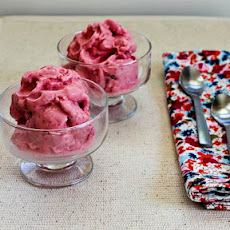
Recipe 1: Fat-Free Low-Sugar Strawberry Frozen Yogurt


Fat-free Low-Sugar Strawberry Frozen Yogurt Source

How does it sound to have a dessert with roughly the consistency of ice cream, but without the butter, sugar and all around terrible ingredients for your body? Then you will love this recipe! This is not limited to strawberries, as you can use any fruit, but this recipe is for strawberries.


Ingredients:


  • 2 cups strawberries (fresh, cleaned, cut in half or fourths)
  • 1/2 cup preserves (sugar-free or low-sugar Strawberry)
  • 1/2 cup stevia (In the Raw Granulated Sweetener or Splenda, or use sugar if you don't care if the frozen yogurt is low-sugar)
  • 2 cups greek yogurt (fage total 0%, or use any plain or greek yogurt of your choice if you don't care if it's fat-free)


Nutrition Facts per serving:


  • calories: 300
  • total fat: 7g
  • sat fat: 3g
  • cholesterol: 20mg
  • sodium: 140mg
  • potassium: 560mg
  • sugars: 30g
  • protein: 14g

Yes the calories are somewhat high, but the fat content is not very high. You can definitely do worse out there with certain frozen yogurt recipes!


RECIPE HERE


Recipe 2: Lime Curd with Chocolate Cookies Crumbs


Lime Curd with Chocolate Cookie Crumbs Source

Strong flavors in lime and chocolate come together to form a delectable duo. The smoothness of the curd combined with the crunchy of the cookie crumbs make this a dessert you do not want to miss.


Ingredients:


  • 2 large eggs, beaten
  • 6 Tbsp fresh lime juice
  • 1 tsp lime zest, finely minced
  • ½ cup powdered sugar
  • 8 chocolate wafers crumbed


Note: This only makes 8 servings, so you should plan on using more ingredients if making for a family or a party.


RECIPE HERE


Recipe 3: Double-Chocolate Pudding


Double-Chocolate Pudding Source

I had to do a classic chocolate dessert! The great thing about this doubly delicious dessert, is that it can be served chilled or warm! So, you can satisfy more people with the same dessert. If you are a fan of chocolate, you will not want to miss this recipe


Ingredients:


  • 1 oz. bittersweet chocolate
  • 2 cups low fat chocolate milk
  • 3 Tbsp cornstarch
  • 6 Tbsp aerosol whipped cream


Note: You can go low fat on the whipped cream as well


RECIPE HERE


Conclusion:

We have now come to the conclusion of the holiday, Dessertmas. I have given you guys information on cookies, cakes, pies, fruit and pudding like desserts. There are plenty of choices out there for you to try and feed, either for yourself or the family. I am not as focused on whether you take my suggestions for the holidays, but the one thing I hope all of you reading this do is make sure you make it known that you love someone. Spend time with family and friends and just show the people in your lives that you care. That is the real meaning of these holidays! Thank you all for reading and below I will link the previous for posts for you guys.

If you missed day FOUR, link is HERE


The Five Days of Dessertmas: First Four Days

Day 1: Cookies -->  LINK
Day 2: Cakes --> LINK
Day 3: Pies --> LINK
Day 4: Fruit Desserts --> LINK

Thursday, December 19, 2013

The 5 Days of Dessertmas Day 4: Fruit Desserts

Day 4: Fruit Desserts

On the fourth day of Dessertmas Natural Nutrition is giving you some fruit dessert recipes! When it comes to desserts for the family, or yourself, it does not always have to involve the use of chocolate. Here are some ideas for you to use to get some of your fruit into the diet in a creative way!


Recipe 1: Strawberry-Raspberry Sundaes


Strawberry-Raspberry Sundae Source


This may be more of a summer treat, but who is to say you cannot enjoy the tastiness of it at the holidays in December? The natural flavors of the strawberries and raspberries will bring out the sweet taste without all the sugar. Serve over frozen yogurt, which is absolutely delicious if I may say so myself!


Ingredients:


  • 1 cup strawberries, plus more for garnish
  • 1/2 cup raspberries, plus more for garnish
  • 2 tablespoons sugar [ I recommend using NONE or very little of this]
  • 1/2 teaspoon lemon juice
  • 2 cups nonfat vanilla frozen yogurt


In my opinion, you are going to get the sweet taste out of the fruit naturally. Really making the dessert less healthy when you start adding that sugar when it is not necessary for the sweet taste.

RECIPE HERE


Recipe 2: Apple-Sauced Nachos


Apple-Sauced Nachos Source

Sounds absolutely ridiculous does it not? Well do not knock it until you try it. Bake the tortilla chips in the oven in muffin cups and then top it with hot apples and raisins from a skillet gives you an interesting dessert. It is a very light dessert and is such an interesting idea that you will surely be the talk of the party when you reveal this one!


Ingredients:


  • 2 6 - 7 - inches whole wheat flour tortillas*
  • Nonstick cooking spray
  • 1 teaspoon granulated sugar
  • 1/2 teaspoon apple pie spice or pumpkin pie spice
  • 2 medium apples or pears, cored and sliced
  • 1/2 cup water
  • 1 tablespoon packed brown sugar
  • 1 tablespoon golden raisins, dark raisins, or dried currants
  • 1/2 teaspoon finely shredded orange peel


Again when making the topping for the tortilla chips, I think you can go lighter on the sugar. Remember that fruit have their own natural sugars in them, so you will really be overloading on the sugary taste in these desserts by adding more sugar. 

RECIPE HERE


Recipe 3: Cinnamon-Scented Baked Pears


Cinnamon-Scented Baked Pears Source


Minimum ingredients, only ~25 minutes to prepare, and tastes great! What is not to like about this recipe? It uses fat-free ricotta cheese as a dip, but if you are like me and not a fan of ricotta, you can also use some fat-free yogurt to dip.


Ingredients:


  • 4 medium pears, very ripe and juicy, such as Comice or Packham
  • ¾ tsp. ground cinnamon, divided
  • 1 cup fat-free ricotta cheese
  • 1 ½ tsp. SPLENDA® SPLENDA no calorie sweetener


Instructions:


  • Preheat oven to 400°F.


  • Cut pears lengthwise in quarters and core; do not peel. Slice pear quarters into 1/4-inch-thick slices. Arrange half of pears in a 9-inch glass pie dish in concentric circles. Sprinkle with 1/4 teaspoon of cinnamon. Top with remaining pear slices and sprinkle with 1/4 teaspoon of cinnamon. Bake until pears are tender and give off juices, about 25 minutes; remove from oven.


  • Place ricotta in bowl of an electric mixer. Add Splenda and remaining 1/4 teaspoon of cinnamon. Beat until cheese is light and fluffy, about 1 minute. Yields about 1 cup of pears topped with 1/4 cup of seasoned ricotta per serving.


Notes:


To enhance the flavor of this dessert, pour the cooked pear juices into a small saucepan and reduce by half over medium-high heat. Spoon over the pears before serving.

Conclusion:


So this is what I have for you in the category for fruit desserts. I hope that you will maybe think about using these for your holidays and thank you so much for reading. See you for the final day of Dessertmas tomorrow!

If you missed day THREE, Link is HERE

Day 5: Pudding | Yogurt Desserts LINK